5.5.0 — A way out of a language you cannot read, and a push that says what it deleted
A snapshot as of 5.5.0 (released 2026-09-23). It will go stale as the app moves on — that is expected, and the living reference is the guide each section links to.
Neither of these asks you to configure anything. The first is a change you will only ever notice in a situation you did not choose; the second only appears if a collection has opted in.
1. Getting back out of a language you cannot read
Nothing to turn on. This is about the moment after something goes wrong.
5.4.0 put the interface in five languages. Picking one you cannot read is easy — the entry above yours in a list, a shared phone, a mis-tap — and until now everything that led back to the picker was written in the language you had just left. The picker’s own entries were fine, because they are endonyms and you scan for what you call your own language. You simply could not get to them.
Every way back now carries its English name beside it: the Settings sidebar row, the picker’s own label, and the auto option.
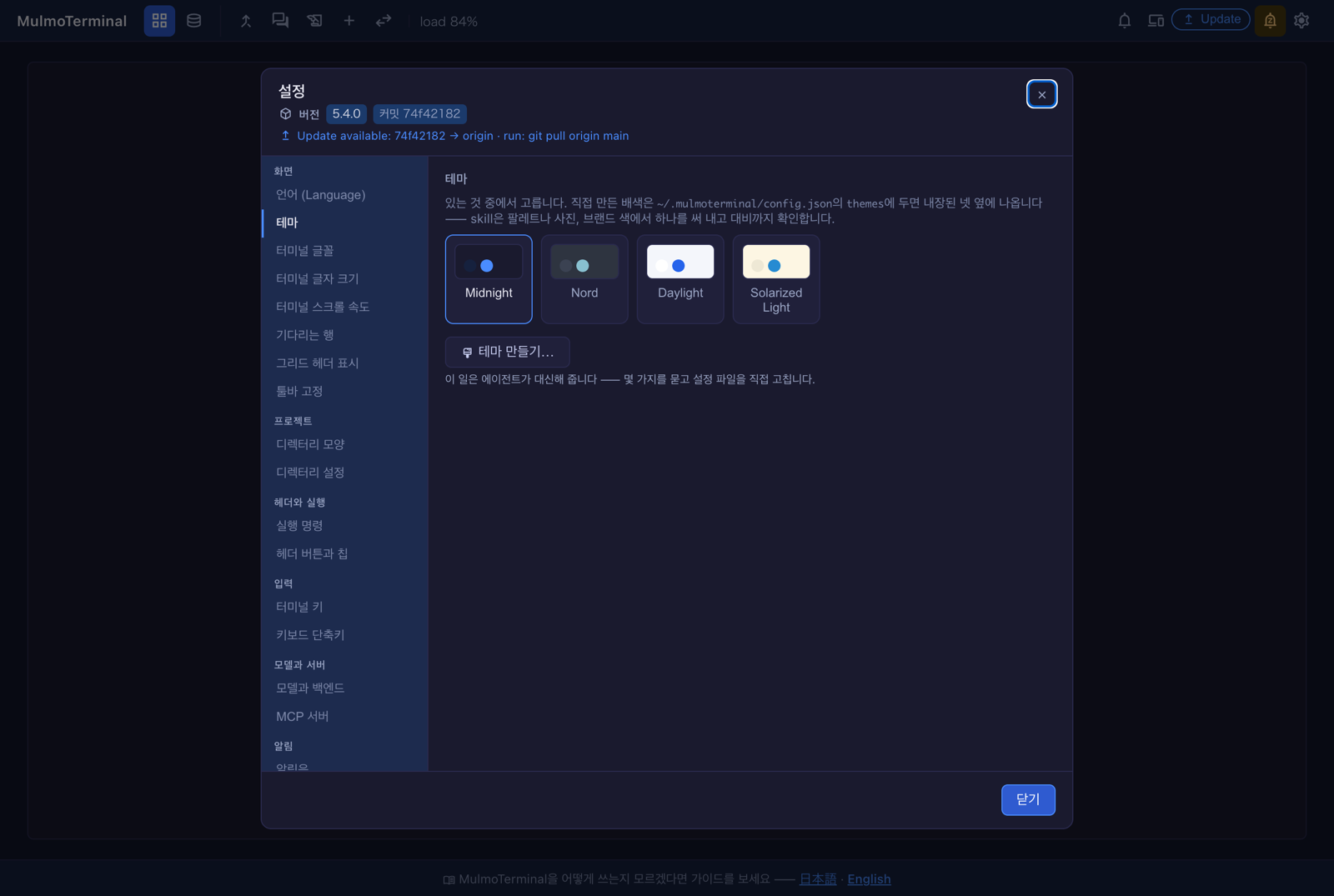
How to tell you have it: open the gear and look at the first row of the sidebar. It reads Language in English, whatever the interface is set to.
The living reference: what you can change where.
2. A Collection push says how many events it deleted in Google
Nothing to turn on, and nothing changes unless a collection opted in.
A collection that syncs with Google Calendar can declare propagateDeletes, which makes deleting a record delete the Google event too. When that happens the push now tells you so, and reports local deletions that did not carry as their own, smaller number.
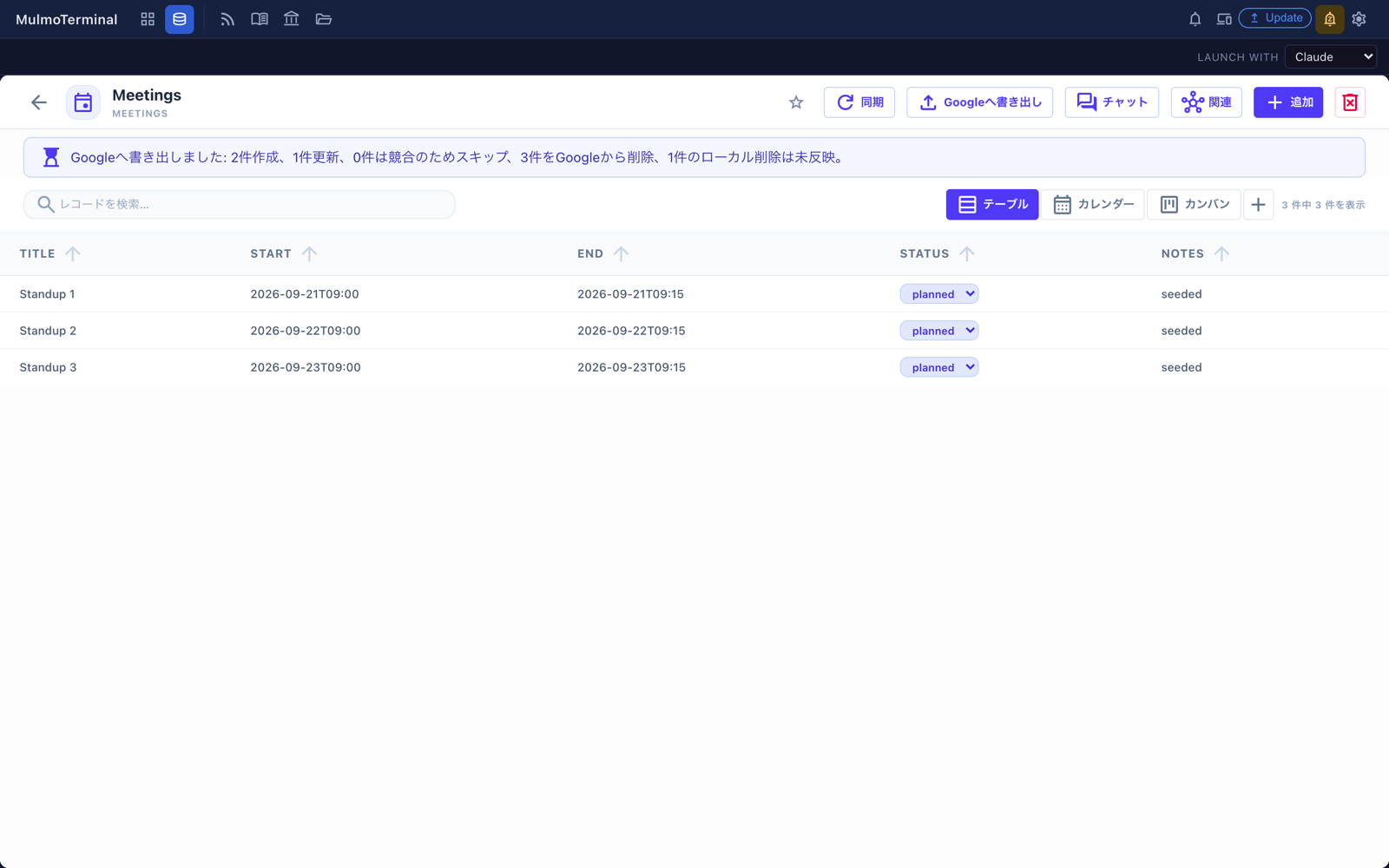
How to tell you have it: press Push to Google on a collection that has deleted records with propagateDeletes on. The message names a count deleted in Google. Before 5.5.0 the same push described every deletion as “not applied”, including the ones that really had been applied.
Three things to know before you turn propagateDeletes on. They are upstream and are being followed there:
- A deletion Google declines — an event with attendees — is reported in the same list as a record that could not be pushed, so the message reads as a failed push and hides the creates that did land (mulmoclaude#3272).
- If you also set
autoPush, the scheduled sync leaves a thinner record than the button does. Every deleted event is logged either way — one line each, carrying the event id — so an unattended deletion is traceable. What the unattended run does not get is the summary: the push you press is written to the server log with the same numbers you see on screen, while the engine’s own report carries neither delete count, and the per-event lines do not name the collection. You can find what went; you read it event by event (mulmoclaude#3262 has the detail). - A Google event deleted this way is gone for every attendee, not only for you.
The living reference: working from a collection.
Also in this release
@mulmoclaude/core and the eight bundled plugins moved to the core 5 line. Nothing to do — it is what makes the push above report correctly. The full list is in the changelog.